The Illusion of Control
One prevalent myth surrounding casino games is the notion that players can exert control over the outcomes through strategies or specific rituals. Many believe that employing a particular approach, like betting patterns or superstitious behaviors, can influence the results of games, especially when considering the top 10 online casino australia real money options available. However, this idea overlooks the fundamental principle of chance inherent in casino games, particularly those that rely on random number generators. These systems ensure that every spin of the wheel or deal of the cards is independent of previous outcomes, rendering player strategies ineffective in altering the inherent randomness.
Moreover, the psychological aspect of believing one has control can lead players to engage in behaviors that are detrimental to their financial well-being. They might increase their bets or continue playing despite losses, hoping that their strategy will eventually pay off. In reality, this illusion of control can trap players in a cycle of loss, as they may become emotionally invested in their perceived strategies rather than acknowledging the reality that luck plays a dominant role in these games. Understanding this helps to promote responsible gaming behavior and the acceptance of chance as a key factor.
To further illustrate this point, consider how players often attribute wins to their strategies while attributing losses to external factors. This cognitive bias further reinforces the myth of control and can lead to misconceptions about how casino games operate. Recognizing the role of luck and randomness allows players to approach gambling with a more realistic mindset, fostering a healthier relationship with the games and helping them to manage their expectations effectively.
The Luck Factor
Another pervasive myth is the belief that some players are inherently ‘lucky’ and possess a special ability to win more frequently than others. This myth perpetuates the idea that luck is a tangible quality that certain individuals can harness. However, studies in probability and statistics reveal that winning outcomes in games of chance are not distributed based on personal characteristics but rather through random chance. Each player’s odds of winning are precisely the same as those of other players, regardless of previous performances.
This misconception can discourage new players from participating, as they might feel that they do not possess the ‘lucky’ attributes needed to succeed. In reality, engaging in casino games should focus on enjoyment and entertainment rather than on chasing luck. This belief in luck can also lead to a dangerous gambling mindset, where players might chase losses in the hope that their ‘luck’ will change, which can lead to significant financial difficulties.

To combat this myth, it is essential to educate players on the principles of probability and the odds associated with various casino games. Understanding these concepts not only empowers players to make informed decisions but also helps mitigate the false allure of luck. By shifting the focus from luck to skill, knowledge, and responsible gaming, players can cultivate a more balanced and enjoyable gaming experience.
The House Edge and Its Role
One of the crucial aspects of casino games that is often misunderstood is the concept of the house edge. Many players believe that they can overcome the house advantage through various means, yet this belief is fundamentally flawed. The house edge is a built-in statistical advantage that ensures the casino remains profitable over time, regardless of individual player outcomes. For instance, in games like blackjack or roulette, the house edge is expressed as a percentage that indicates the average loss a player can expect over the long term.
This knowledge is vital for players seeking to understand the nature of their games better. It establishes that while players can have short-term wins, the mathematical reality is that the house will always come out on top in the long run. Accepting this fact can help players manage their expectations and recognize that winning is often a matter of luck rather than skill or strategy. If players acknowledge the house edge, they are more likely to approach gambling with a sense of moderation and enjoyment rather than expecting consistent wins.
Furthermore, awareness of the house edge can assist players in selecting games with the most favorable odds. Games like blackjack, when played optimally, can have a lower house edge compared to games like slot machines, where the odds are heavily skewed in favor of the casino. By understanding these differences, gamblers can make more informed decisions about where to invest their time and money, ultimately leading to a more satisfying gaming experience.
The Role of Game Mechanics
Another common myth is that players can affect the randomness of games, such as hitting the jackpot on a slot machine by pulling the lever in a certain manner. This misconception stems from a lack of understanding of how modern gaming machines work. Most slot machines operate on a random number generator system, meaning that each outcome is entirely random and unaffected by how the game is played. This results in false beliefs that there are specific actions that can lead to more successful outcomes.
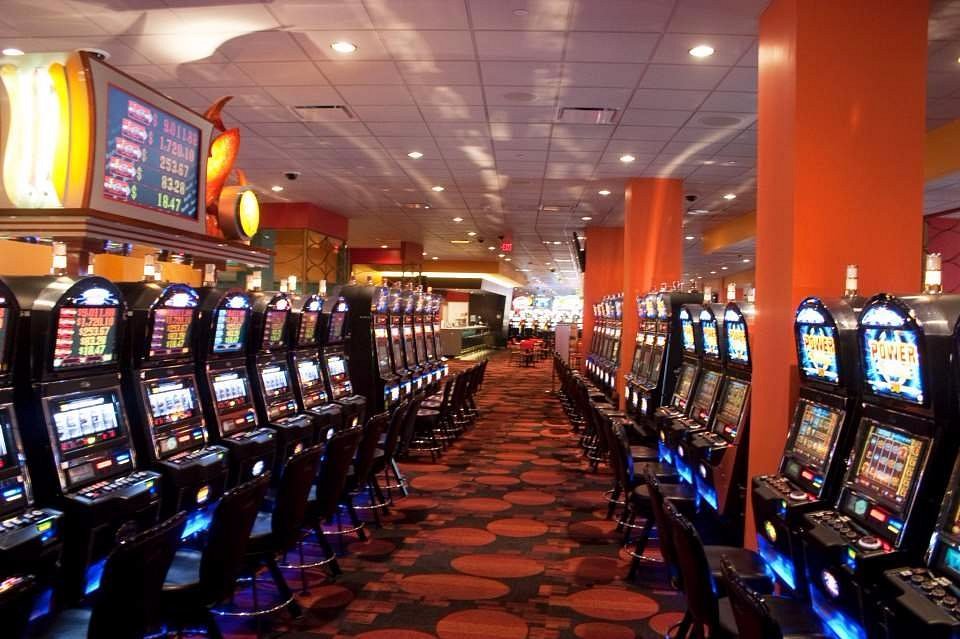
Moreover, many players assume that if a machine hasn’t paid out in a while, it is ‘due’ for a win. This belief is misleading; the outcomes of slot machines are random and do not adhere to a predetermined payout schedule. Each play operates independently, and the notion of being ‘due’ for a payout is a classic example of the gambler’s fallacy, where individuals believe that past events can influence future outcomes in probability-based scenarios.
Educating players about game mechanics and how outcomes are determined can help dispel myths about influencing results. Understanding that every spin or deal is a separate event allows players to approach gaming with a clearer perspective, reducing the pressure they may feel to perform specific actions in hopes of controlling outcomes. Emphasizing the randomness inherent in games reinforces the importance of responsible gambling attitudes and promotes a healthier relationship with gambling activities.
Empowering Knowledge and Responsible Gaming
As we dispel these myths surrounding casino games and luck, it’s essential to highlight the importance of empowering players through education and responsible gaming practices. Knowledge is the first step in creating a more fulfilling gaming experience. Understanding the odds, game mechanics, and inherent risks can help players make informed decisions. This understanding can lead to setting limits, recognizing when it’s time to walk away, and approaching the games as a source of entertainment rather than a means to make money.
Responsible gaming initiatives play a crucial role in fostering a healthier gaming environment. Many casinos and gaming platforms offer tools and resources to help players manage their gambling habits. These features may include self-exclusion programs, budget-setting tools, and access to support resources for problem gambling. By advocating for responsible gaming practices, players can enjoy their gaming experience while safeguarding their financial and emotional well-being.
Ultimately, as players become more informed about the myths that surround casino games and luck, they can enjoy these activities with a greater sense of awareness. By recognizing that luck is only one factor among many in the gaming experience, individuals can cultivate a more positive, responsible, and enjoyable approach, making their time at the casino all the more rewarding.